The Benefits of Addressing Sleep Apnea and TMJ Disorders: Why Early Treatment Matters

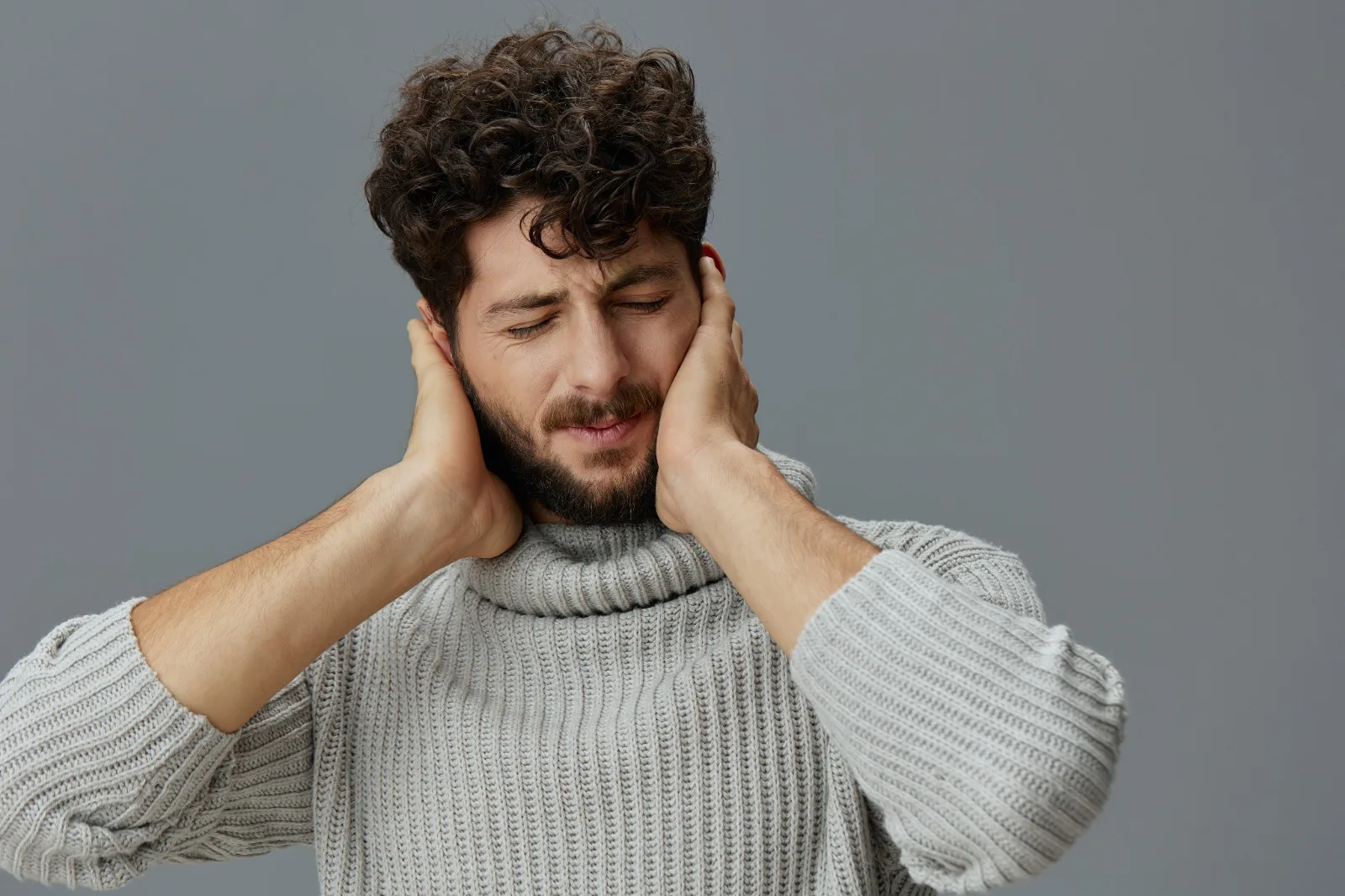
Many people live with chronic headaches, jaw pain, poor sleep, fatigue, and difficulty concentrating without realizing that two common conditions — sleep apnea and TMJ disorders (Temporomandibular Joint Disorders) — could be the underlying cause. While these conditions may seem unrelated, they often share overlapping symptoms and can significantly impact a person's overall health, comfort, and quality of life.
The good news is that identifying and addressing these issues early can lead to meaningful improvements in both oral health and overall wellness. At Aura Dental & Wellness, we believe that optimal health starts with understanding the connection between your mouth, jaw, airway, and body.
Why Addressing Sleep Apnea Matters
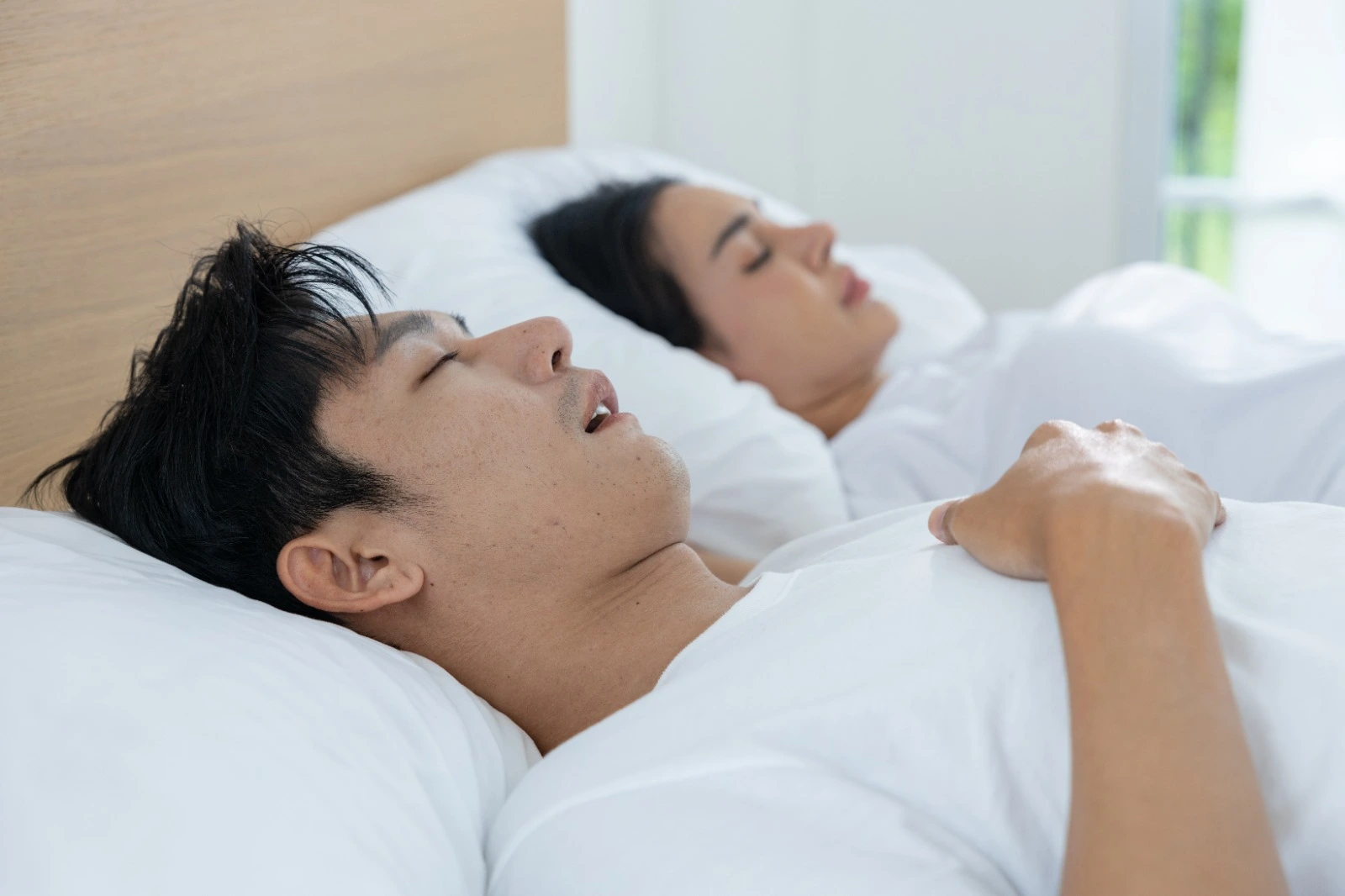
Sleep is essential for recovery, yet sleep apnea disrupts breathing and prevents deep, restorative rest. Treating it offers benefits that go far beyond better sleep:
- Improved Sleep Quality — Fewer interruptions allow the body to move through healthy sleep cycles.
- More Energy — Treatment reduces fatigue and daytime sleepiness.
- Sharper Focus — Restful sleep supports memory, concentration, and mental clarity.
- Less Snoring — Patients and partners enjoy more peaceful nights.
- Better Mood — Quality sleep helps regulate emotions and reduce irritability.
- Long-Term Health Protection — Untreated sleep apnea raises risks of high blood pressure, heart disease, stroke, and type 2 diabetes. Proper treatment supports overall wellness and longevity.
Why Addressing TMJ Disorders Matters
The temporomandibular joints (TMJ) are responsible for nearly every jaw movement you make throughout the day. When these joints become strained or dysfunctional, even simple activities like eating, speaking, and yawning can become uncomfortable. Treating TMJ disorders can significantly improve daily comfort and function.
TMJ treatment can provide relief in many ways, improving both comfort and daily function. Many patients seek care because of persistent jaw pain around the face or temples, and addressing the underlying cause often reduces discomfort and enhances quality of life. Since TMJ disorders are commonly linked to tension headaches and facial muscle strain, proper therapy may also lessen the frequency and severity of headaches. Improved jaw function makes chewing and speaking easier, while treatment can help reduce uncomfortable clicking, popping, or grinding sensations. For those who struggle with limited jaw mobility, therapy can restore more natural movement. Managing chronic jaw tension and nighttime clenching may even contribute to better sleep quality, allowing patients to rest more comfortably and wake feeling refreshed.
The Connection Between Sleep Apnea and TMJ
Many patients are surprised to learn that sleep apnea and TMJ disorders are often interconnected. For example:
- Teeth grinding (bruxism) is commonly associated with both conditions.
- Poor airway function can contribute to nighttime jaw clenching.
- Chronic muscle tension may affect both breathing patterns and jaw mechanics.
- Sleep disturbances can worsen TMJ-related symptoms.
Because these conditions frequently overlap, a comprehensive evaluation can help identify contributing factors and create a more effective treatment plan. Our integrated approach to TMJ and sleep apnea care looks at the jaw, muscles, and airway as a single system rather than isolated problems.
Benefits of Addressing Both Conditions Together
When sleep apnea and TMJ disorders are addressed simultaneously, patients often experience meaningful improvements across daily life:
- Better Sleep & Recovery — Improved breathing and reduced jaw tension allow deeper, restorative rest.
- Less Pain — Relief from facial pain, headaches, neck tension, and jaw discomfort.
- More Energy — Quality sleep and reduced pain boost productivity and focus.
- Enhanced Wellness — Healthy airway and jaw function support healing and overall performance.
- Higher Quality of Life — Patients often feel more comfortable, energized, and confident.
Take the First Step Toward Better Health
Living with chronic fatigue, jaw pain, headaches, or disrupted sleep shouldn't be considered normal. If you suspect you may be experiencing symptoms of sleep apnea, TMJ disorder, or both, seeking professional guidance can help uncover the root cause and provide personalized treatment options.
At Aura Dental & Wellness, we're committed to helping patients improve not only their oral health but also their overall wellness through comprehensive, patient-centered care.
Resources: American Academy of Dental Sleep Medicine National Heart, Lung, and Blood Institute — Sleep Apnea National Institute of Dental and Craniofacial Research — TMJ