Sleep Apnea: The Silent Sleep Disorder That Could Be Affecting Your Health Every Night
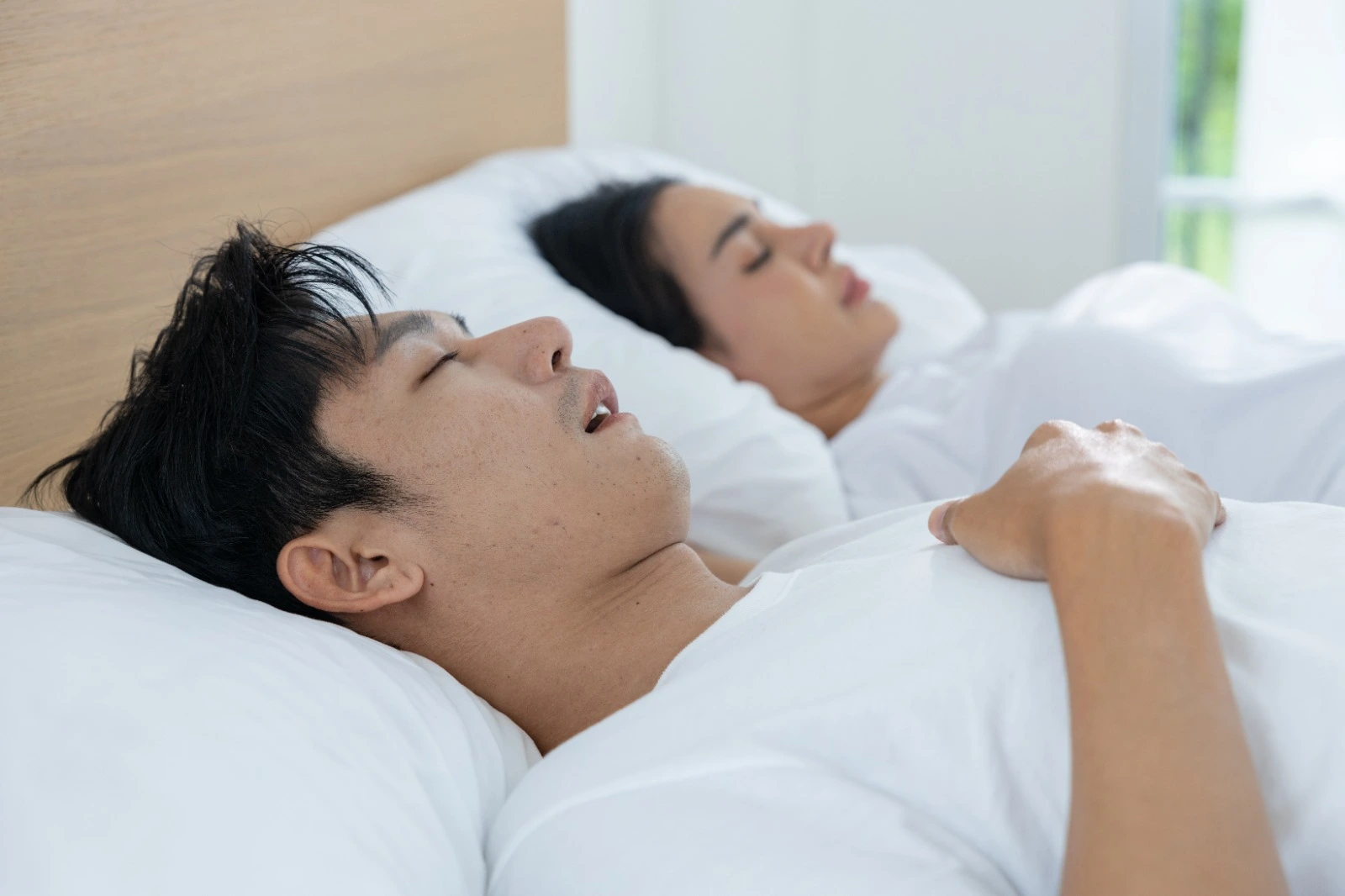
You go to bed hoping for a full night's rest. You spend seven or eight hours in bed, yet you wake up exhausted, foggy, irritable, and wondering why you're still tired. For many people, the problem isn't how long they're sleeping; it's how well they're breathing.
Sleep apnea is one of the most common yet frequently undiagnosed sleep disorders, affecting millions of adults worldwide. Left untreated, it can impact everything from your energy levels and mood to your heart health and overall wellness.
At Aura Dental & Wellness, we understand that quality sleep is essential for a healthy life. That's why it's important to recognize the signs of sleep apnea, understand its risks, and know when to seek professional help.
What Is Sleep Apnea?
Sleep apnea is a serious sleep disorder that causes a person's breathing to repeatedly stop and start throughout the night. These interruptions can occur dozens or even hundreds of times while sleeping. In many cases, individuals are completely unaware that these breathing pauses are happening.
Each time breathing stops, the brain briefly awakens the body to restore airflow. Although these awakenings are often so short that they aren't remembered, they disrupt the sleep cycle and prevent the body from reaching deep, restorative sleep. As a result, people with sleep apnea often wake up feeling tired, even after spending enough hours in bed.
Common Sleep Apnea Symptoms
Many people assume that loud snoring is the only sign of sleep apnea, but there are several other important symptoms to watch for. Loud, chronic snoring is one of the most recognizable warning signs of obstructive sleep apnea, yet many patients also experience episodes of gasping or choking during sleep.
Excessive daytime sleepiness, even after what seems like adequate rest, is another hallmark symptom, often accompanied by morning headaches due to interrupted oxygen levels. Difficulty concentrating, memory issues, and reduced focus are common, as are waking with a dry mouth from breathing through the mouth at night. Untreated sleep apnea can also lead to mood changes such as irritability, anxiety, or depression-like symptoms. Finally, poor sleep quality caused by frequent nighttime awakenings prevents the body from reaching restorative sleep stages, further compounding the condition's impact on overall health.
What Causes Sleep Apnea?
Several factors can increase the risk of developing sleep apnea beyond just snoring. Excess weight can contribute to airway obstruction during sleep due to additional tissue around the neck and airway. The anatomy of the mouth and jaw, including the size and position of the tongue, jaw, soft palate, and airway, also plays a significant role in breathing patterns at night.
Teeth grinding (bruxism) has been linked to sleep-disordered breathing conditions, including sleep apnea. Aging further raises risk, as changes in muscle tone and airway structure make the condition more common. Family history and genetics may also increase susceptibility to airway-related sleep disorders. Lifestyle factors such as smoking and alcohol use can worsen airway inflammation and muscle relaxation, leading to more frequent breathing interruptions during sleep.
Why Sleep Apnea Should Never Be Ignored
Sleep apnea is much more than a sleep issue. Untreated sleep apnea has been associated with:
- High blood pressure
- Heart disease
- Stroke
- Type 2 diabetes
- Chronic fatigue
- Reduced cognitive function
- Increased accident risk due to daytime drowsiness
- Poor overall quality of life
Because sleep affects virtually every system in the body, untreated sleep apnea can have widespread health consequences.
The Connection Between Sleep Apnea and Dentistry
Many people are surprised to learn that dentists often play an important role in identifying and managing sleep apnea. During routine examinations, dental professionals may notice subtle but significant signs such as teeth grinding, jaw clenching, and worn tooth surfaces. They may also observe enlarged tongue structures, narrow airways, or evidence of chronic mouth breathing. These indicators can point to underlying sleep-disordered breathing, allowing dentists to refer patients for further evaluation and help ensure early diagnosis. Learn more about our integrated approach to TMJ, airway, and sleep apnea care, where we evaluate how the jaw, muscles, and airway work together as a single system.
When Should You Seek Help?
Consider speaking with a healthcare professional if you:
- Snore loudly on a regular basis
- Frequently wake up tired
- Experience daytime fatigue
- Wake up gasping for air
- Have chronic morning headaches
- Notice concentration or memory difficulties
- Have been told that you stop breathing during sleep
Early diagnosis and treatment can significantly improve both sleep quality and long-term health outcomes.
Better Sleep Starts with Better Breathing
Sleep should restore and recharge your body, not leave you feeling exhausted. If you suspect that you may be experiencing symptoms of sleep-disordered breathing, seeking professional guidance can help uncover the cause and provide effective treatment options.
At Aura Dental & Wellness, we believe that oral health and overall wellness go hand in hand. Identifying sleep-related breathing disorders is an important part of supporting your long-term health, comfort, and quality of life.
References: National Heart, Lung, and Blood Institute — Sleep Apnea American Academy of Sleep Medicine Mayo Clinic — Sleep Apnea Overview National Institute of Dental and Craniofacial Research