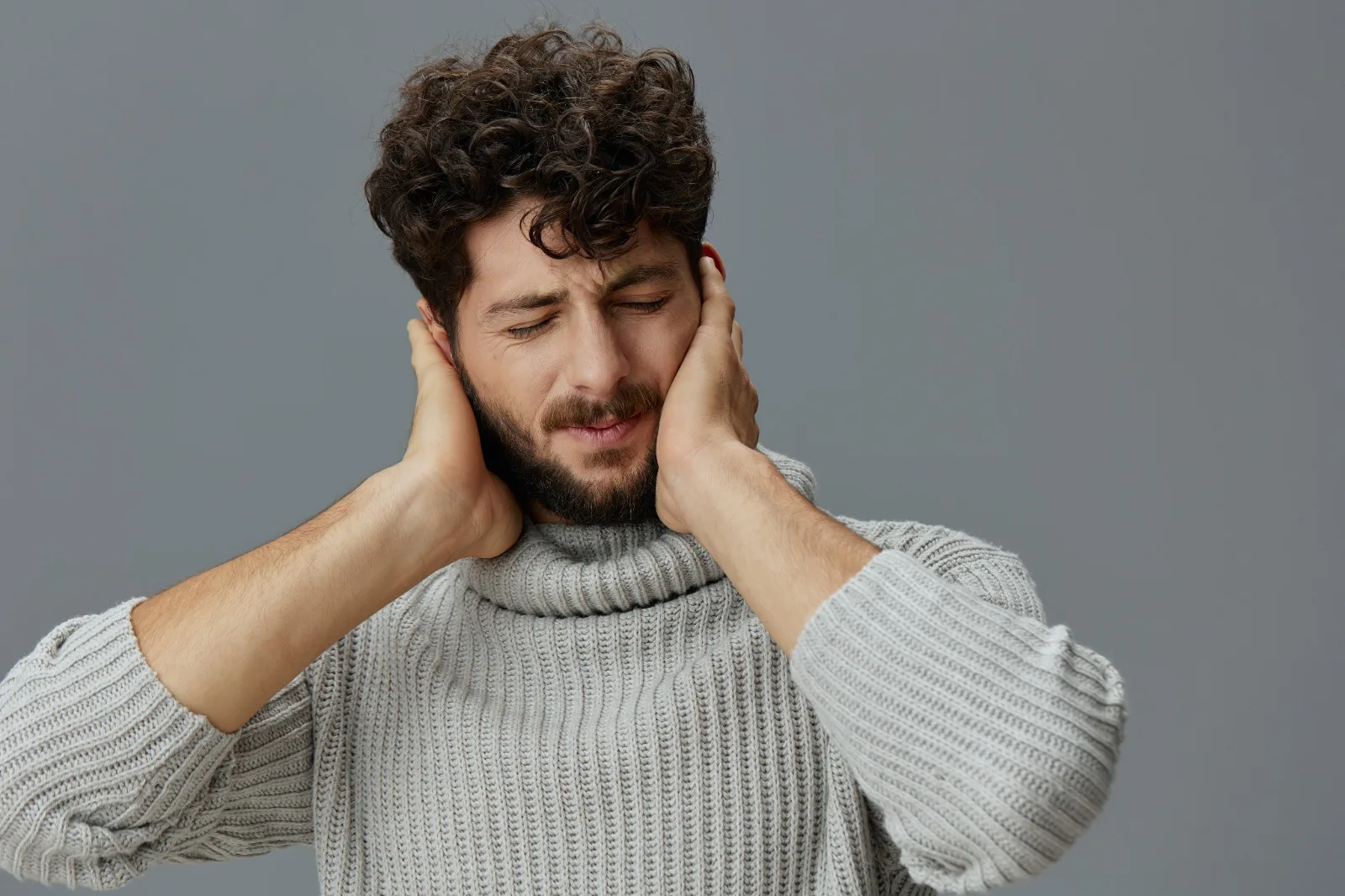
What Is TMJ? Understanding the Jaw Joint That Could Be Behind Your Headaches, Jaw Pain, and More
Have you ever experienced a clicking jaw, persistent headaches, facial pain, or discomfort while chewing? You may have heard someone mention "TMJ" and wondered exactly what it means. The truth is, TMJ disorders affect millions of people worldwide, yet many individuals live with symptoms for years without realizing their jaw joint could be the source of the problem.
At Aura Dental & Wellness, we believe that understanding your oral health is the first step toward lasting wellness. That's why we're breaking down everything you need to know about TMJ disorders, their symptoms, causes, and when it's time to seek professional care.
What Is TMJ?
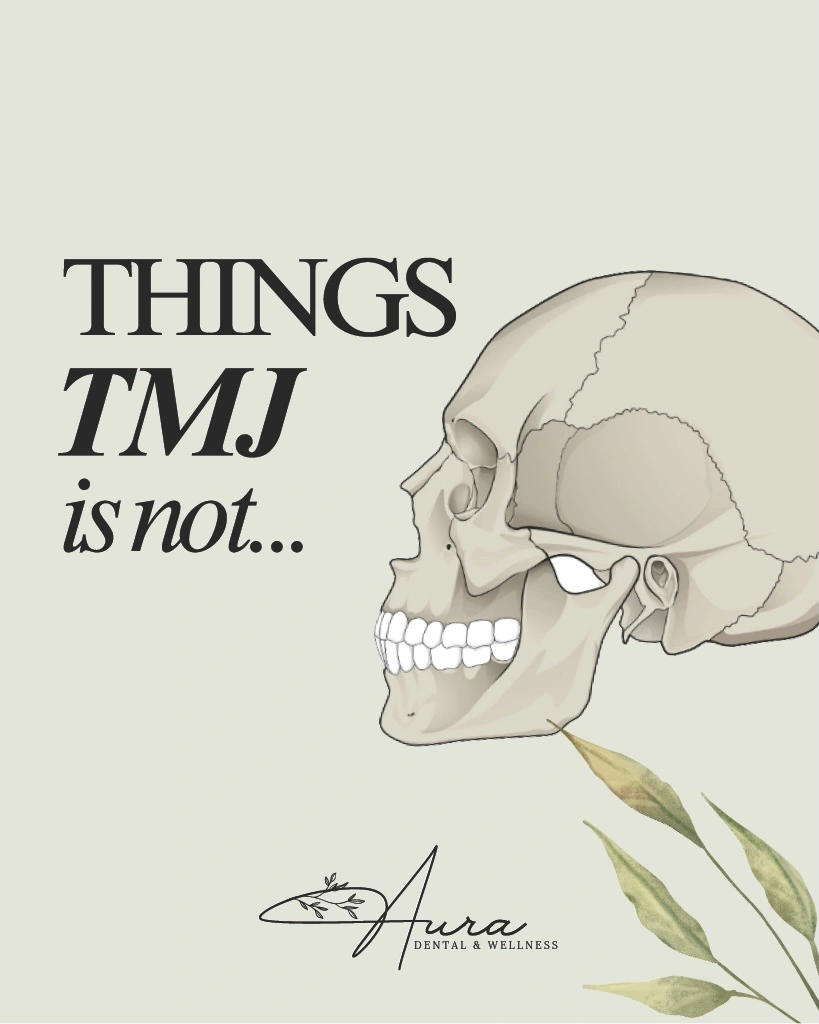
The temporomandibular joint (TMJ) is one of the most frequently used joints in the body. Located on both sides of your face, just in front of your ears, these joints connect your lower jaw (mandible) to your skull. Think of the TMJ as a sliding hinge that allows you to talk, chew, yawn, swallow, and open and close your mouth comfortably.
When functioning properly, the TMJ allows smooth movement without pain or restriction. However, when problems develop in the joint or surrounding muscles, a person may experience a temporomandibular disorder (TMD), commonly referred to as a TMJ disorder.
What Are TMJ Issues?
TMJ issues occur when the jaw joint, surrounding muscles, ligaments, or cartilage become inflamed, strained, misaligned, or damaged. According to the National Institute of Dental and Craniofacial Research (NIDCR), TMJ disorders are actually a group of more than 30 conditions affecting the jaw joint and muscles responsible for jaw movement. These conditions can range from mild discomfort to chronic pain that interferes with everyday activities such as eating, speaking, and sleeping.
Common TMJ Symptoms
Many people are surprised to learn that TMJ disorders don't always feel like a jaw problem. Common TMJ symptoms include:
- Jaw Pain or Tenderness — Pain near the jaw joint is often the most recognizable symptom.
- Clicking, Popping, or Grinding Sounds — A clicking jaw may occur when opening or closing the mouth. While occasional clicking without pain may not require treatment, persistent sounds accompanied by discomfort should be evaluated.
- Frequent Headaches — TMJ dysfunction can place stress on the surrounding muscles, leading to tension headaches and even migraine-like symptoms.
- Facial Pain — Pain may radiate throughout the cheeks, temples, or lower face.
- Difficulty Chewing — Eating may become uncomfortable, especially when chewing tougher foods.
- Jaw Locking — Some individuals experience a jaw that becomes temporarily stuck in either an open or closed position.
- Ear Pain or Ringing — Because the TMJ is close to the ear, some patients report earaches, pressure, or ringing.
- Neck and Shoulder Tension — Muscle strain associated with TMJ disorders can extend beyond the jaw, affecting posture and surrounding muscle groups.
What Causes TMJ Disorders?
TMJ disorders rarely have a single cause. Instead, they often develop due to a combination of factors. Common causes include:
- Teeth Grinding and Clenching (Bruxism) — Chronic grinding places excessive pressure on the jaw joint and surrounding muscles.
- Stress and Anxiety — Emotional stress can contribute to jaw clenching, muscle tension, and worsening TMJ symptoms.
- Jaw Injury — Accidents, sports injuries, or trauma can affect joint alignment and function.
- Arthritis — Conditions such as osteoarthritis or rheumatoid arthritis may impact the temporomandibular joint.
- Bite Misalignment — An improper bite can place uneven stress on the jaw during chewing and speaking.
- Poor Posture — Surprisingly, head and neck posture can influence jaw mechanics and contribute to TMJ discomfort.
When Should You See a Dentist for TMJ Problems?
Occasional jaw discomfort may sometimes resolve on its own, but it's important to seek professional evaluation if symptoms persist. Warning signs include ongoing jaw pain, frequent headaches linked to jaw tension, difficulty opening or closing the mouth, jaw locking, chronic teeth grinding, pain while chewing, or facial pain that doesn't improve. Early diagnosis is key, as it can help prevent symptoms from worsening and reduce the risk of long-term joint damage.
How TMJ Treatment Can Help
The good news is that most TMJ disorders can be managed with conservative, non-surgical approaches. Depending on your condition, treatment may include:
- Custom night guards for bruxism
- Bite adjustments
- Stress management strategies
- Jaw exercises and physical therapy
- Lifestyle modifications
- Comprehensive dental evaluation and monitoring
Every patient is unique, which is why personalized care is essential for achieving lasting relief. Learn more about our integrated approach to TMJ, airway, and sleep apnea care, where we evaluate how the jaw, muscles, and airway work together as a single system.
Your Jaw Health Matters
TMJ disorders can significantly impact your comfort, sleep quality, and overall well-being. Symptoms such as chronic headaches, jaw pain, facial tension, and difficulty chewing should never be ignored. If you've been struggling with signs of a TMJ disorder, seeking professional guidance can help identify the underlying cause and create a treatment plan tailored to your needs.
At Aura Dental & Wellness, we're committed to helping patients achieve better oral health and a higher quality of life through comprehensive, patient-centered care.
Resources: National Institute of Dental and Craniofacial Research (NIDCR) — TMD Overview Mayo Clinic — TMJ Disorders Overview